


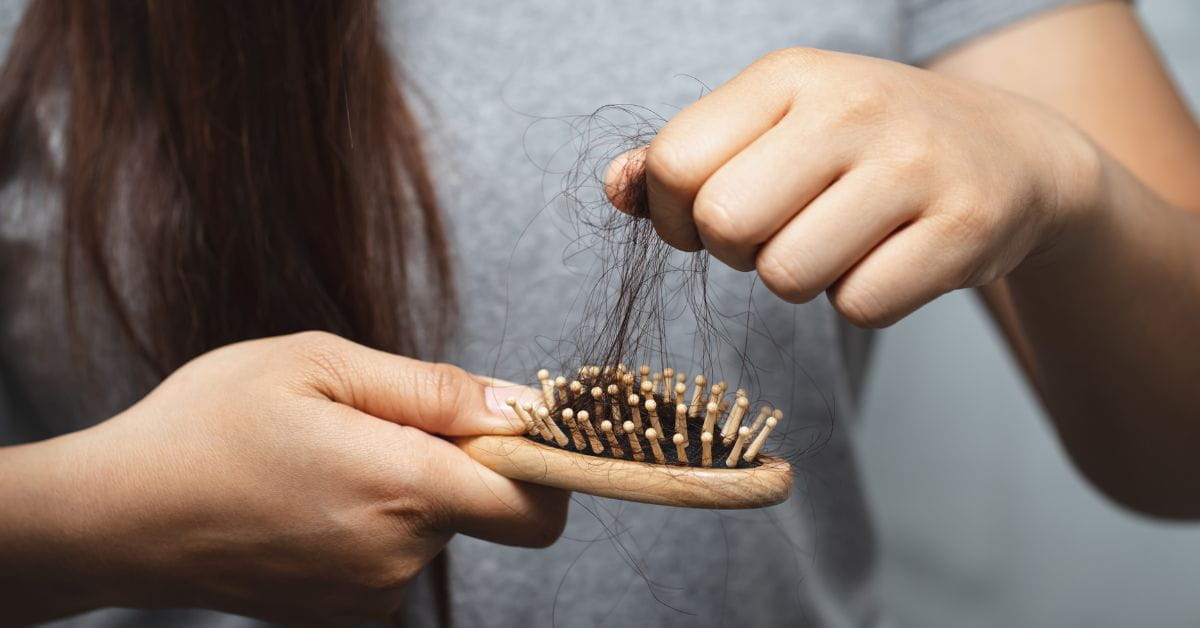
The most common side effect of chemotherapy that people know about is hair loss. Losing hair can be as emotionally stressful for many cancer patients. It can be difficult to see hair fall out, which may strongly affect one’s confidence and self-expression.
Chemotherapy affects hair follicles and causes hair loss because it targets fast-growing cells. Typically, hair loss begins two to four weeks following the first round of chemotherapy and persists during the treatment, including a few weeks after treatment.
Before cancer treatment in Siliguri or anywhere, you might consult your doctor about any hair-related concerns you have or if you are worried about side effects. Know that side effects after medical treatments are common, but doctors will guide you on managing them.
Chemotherapy & Hair Loss – Overview
Medications in chemo are intended to kill cancer cells that divide quickly. But they are not always able to differentiate between rapidly proliferating healthy cells and cancerous cells.
And, some of the body's fastest-growing cells are found in hair follicles; here, chemotherapy damages the hair follicles as it targets these cells. This is what leads to hair loss or thinning.
Besides damaging your scalp hair, chemotherapy may result in the loss of:
- Eyebrows
- Lashes
- Hair on the face
- Mustache and beard
- Arm and leg hair
- Underarm hair
- Pubic hair
The type of chemotherapy medication used, the dosage, the type of treatment, and each patient's reaction all affect how much hair is lost.
Is Hair Loss Common Among Chemotherapy Patients?
No, since each person experiences hair loss differently. While some chemotherapy drugs only produce little thinning, others result in significant hair loss.
Among the factors that affect hair loss are:
- Chemotherapy medication type
- Combination of drugs
- Treatment dosage
- Treatment duration
- The cycle of individual hair growth
- General health
While some people experience very mild or minor thinning, others experience nearly complete loss of body and scalp hair.
When Does Hair Loss Typically Begin?
Rarely does hair loss start right after the first chemotherapy session, and most patients go through the following timeline:
- Initial One to Two Weeks
In general, hair seems normal.
- Two to Three Weeks
While washing or brushing, tiny bits of hair start to fall off.
- Three to Four Weeks
Hair loss becomes more apparent.
- One to Two Months
Depending on their type of cancer therapy, many individuals suffer from severe hair loss or total baldness.
Hair might fall out in bigger clumps or gradually.
How Much Time Does Hair Loss Take After Chemotherapy?
During chemotherapy, hair loss may persist, but hair follicles gradually heal after therapy.
Many patients observe the sprouting of new hair inside:
- Three to six weeks following chemotherapy
- Hair growth that is more apparent after two to three months
- Hair growth of several inches in just six months
- Within six to twelve months, fuller hair
Each person has a different exact timeline, and to better understand this, you may talk to your healthcare provider.
Will I Get New Hair?
Yes, most of the time.
Hair follicles can be harmed by chemotherapy, but they are typically not destroyed. You should know that healthy hair follicles start growing new hair when treatment is finished.
At first, your new hair could appear different, and it could be:
- Curlier, straighter, softer, thicker, finer, and different colored
These temporary changes in your hair pattern are referred to as "chemo curls."
Which Chemotherapy Drugs Have the Highest Risk of Hair Loss?
First, we need to understand that not every chemotherapy drug has the same effect on hair, and the following medications are frequently linked to severe hair loss:
- Doxorubicin
- Paclitaxel
- Cyclophosphamide Docetaxel
- Epirubicin
- Carboplatin (in combination with other meds)
But some immunotherapies and targeted medicines may only result in slight hair thinning rather than total hair loss. Consult your doctor about side effects and management before you undergo cancer treatment in Siliguri or near you.
The anticipated adverse effects of your particular treatment can only be explained effectively by your oncology team.
Your hair often reverts to its normal texture over time; however, some changes could still be present.
Is It Possible to Stop Hair Loss Due to Chemotherapy?
While total prevention isn't always possible, several strategies might lessen hair loss, and these can be:
Scalp Cooling Caps
One of the best ways to lessen hair loss caused by chemotherapy is scalp cooling, often known as cold cap therapy. During chemotherapy, these cooling devices lower the scalp's temperature. And this lowers blood flow to hair follicles and restricts the quantity of chemotherapy medications that may reach them.
Advantages are:
- Reduced hair loss
- Improved preservation of hair
- Increased self-assurance throughout treatment
The fact is, not all cancer types or chemotherapy regimens can benefit from scalp cooling, so always talk to your oncologist before cancer treatment in Siliguri about this possibility.
Getting Ready for Hair Loss Before Chemotherapy
The experience can be less stressful when you prepare yourself in advance.
Some helpful advice includes:
Shorten Your Hair
Hair loss may seem less noticeable with a shorter hairstyle, and additionally, it might lessen knots and facilitate controlling shedding.
You Might Think About Getting a Wig Early
You can match your natural hair and color when you shop before hair loss; many people feel more at ease selecting a wig.
Take Pictures
Hairdressers can replicate your look at a later time by using photos of your current hairstyle.
Collect Head Coverings
Many patients prefer the following:
- Cozy scarves
- Hats made of cotton
- Beanies and Turbans
- Caps for sleeping
Plus, these high-quality coverings shield delicate skin from the sun and cold.
How to Look After Your Hair While Receiving Chemotherapy
Damage to already delicate hair can be reduced with gentle hair care, so observe these easy guidelines.
Apply a Mild Shampoo
Select shampoos that are:
- Free of sulfates
- Fragrance-free moisturizing
- Specifically made for delicate skin
- Wash as needed
Avoid Heat Styling
You must know that fragile hair can be weakened by straighteners, curling irons, and hair dryers.
Whenever possible:
- Let your hair air dry
- Please avoid hot weather
- Avoid frequent hair styling
Brush Gently
- Combs with wide teeth
- Brushes with soft bristles
- Don't tug or pull at your hair
Avoid Chemical Treatments
When receiving chemotherapy, stay away from:
- Hair coloring
- Bleaching and chemical straightening
Your scalp may become irritated by these treatments.
Use a Soft Pillowcase to Sleep
Pillowcases made of silk or satin may improve your comfort while reducing friction.
How to Take Care of Your Scalp After Losing Hair
Your scalp has to be protected even after hair falls out.
Maintain Moisture Levels
To avoid dryness, you can use moisturizers without fragrances.
Defend Against the Sun
A hairless scalp is prone to burning.
Wear:
- Scarves and Hats
- Your healthcare provider's suggested sunscreen
Stay Warm
Insulation is provided by hair.
- Wear a soft cap to stay warm during the winter.
Hair Loss & Emotional Effects
Many people with cancer go through:
- Fear
- Sadness
- Diminished self-assurance
- Fear of receiving unfair treatment
- Loss of confidentiality about their diagnosis
Above all, you should remember that there is support available and that your sentiments are legitimate.
Handling Hair Loss Emotionally
Everybody responds to hair loss differently, and among the useful ways are:
Discuss Your Emotions
Express your worries to:
- Trusted friends, family, and counsellors
- Support groups for cancer
Open communication is invaluable and lowers emotional stress. Also, you can get assistance at the top cancer hospital in Siliguri, as experts will guide you on effective side effect management and palliative care.
Pay Attention to What You Can Control
Though hair loss is sometimes unavoidable, you have the following options to look after your hair this time:
- Cozy headgear
- A wig that expresses your personal style
- Fresh accessories
- Techniques for applying eyebrow makeup
Make sure you keep away from chemical products or anything that isn’t good for your hair and skin.
Restoring confidence may come through these small decisions.
Make Connections with Other Cancer Survivors
The same feelings have been felt by many survivors, and support groups offer both emotional support and useful guidance.
Develop Self-Compassion
In addition to serving as a physical reminder of treatment, hair loss provides proof that your body is undergoing cancer-fighting treatment. Throughout this process, practice self-compassion.
Cancer Patients' Wig Options
To keep their familiar appearance, many patients consider wigs, and among the changes are:
Artificial Wigs
Benefits:
- Inexpensive
- Simple to maintain
- Maintain their look effectively
Human Hair Wigs
Benefits:
- The appearance of nature
- Able to be styled
- Extended life expectancy with appropriate care
A part of the cost of a cranial prosthesis may be covered by some insurance policies. For further information, speak with your insurance company and healthcare provider.
Wig Substitutes
Wigs are not something that everyone likes to wear.
Other comfy choices are:
- Scarves made of cotton
- Head coverings made of bamboo
- Knit caps and turbans
- Hats with a wide brim
Many patients want to switch up their looks according to the time of year and the situation.
Loss of Eyebrows and Lashes
Some chemotherapy medications also have an impact on lashes and eyebrows as well.
Some useful advice can be:
- For a more natural look, use soft eyebrow pencils
- If you find it hard to draw brows, think about using eyebrow stencils
- To assist in shielding delicate eyes from dust, wear glasses
- If you have sensitive skin, only use products that your medical team has approved
You should know that adhesives may irritate sensitive skin; therefore, you should wear false eyelashes carefully and only if your medical staff approves.
Nutrition and Hair Regrowth
A balanced diet promotes a good recovery following chemotherapy treatment, even though no food may totally prevent your hair loss due to chemotherapy.
Pay attention to foods high in nutrients that offer:
- Iron, zinc, biotin, protein, vitamin D, vitamin C, and omega-3 fatty acids
Another essential thing is to drink a good amount of water and adhere to any dietary advice given by your oncology team, especially if your appetite is affected by your treatment.
Final Words
Though it is mostly temporary, hair loss during chemotherapy can be one of the most noticeable and upsetting aspects. The best thing is that when you know how to handle this, why it occurs, get ready for the changes, and take good care of your scalp and hair.
Always get expert advice to serve your health better, and you can speak with Dr. Saptarshi Ghosh, one of the top oncologists in Siliguri City.

