





In simple words, cancer tumors are made up of malignant cells, forming a mass called a tumor. While some tumors are malignant and may spread to nearby tissues or even distant organs or lymph nodes, others are benign (non-cancerous) and stay don’t spread. Chemotherapy in Siliguri or any other place can help check the spread of cancer tumors.
What exactly a cancerous tumor is, and how it is different from a benign tumor are two vital questions. The answer lies in the growth, behavior, and interactions of abnormal cells with the surrounding tissues. Appearance by itself cannot accurately identify if a tumor is malignant, even though symptoms can occasionally offer hints.
An Overview of a Tumor
Basically, these are abnormal masses of tissue that develop when cells proliferate or divide excessively or fail to die when they should. The breast, brain, lungs, skin, bones, and internal organs are a few of the regions where tumors can form.
And, there are two key types of tumors: benign and malignant.
Benign tumors: Noncancerous growths that do not spread to other sections of the body or invade adjacent tissues.
Malignant tumors: Cancerous growths that have the ability to invade nearby tissues and frequently spread to other body sections.
Cysts, infections, inflammation, and other noncancerous diseases can cause swellings in different areas of the body. It's also critical to realize that some cancers, especially blood malignancies like leukemia, typically do not develop into solid tumors.
As a result, although the phrases "tumor" and "cancer" are connected, they are not synonymous.
Understanding Cancer Tumors
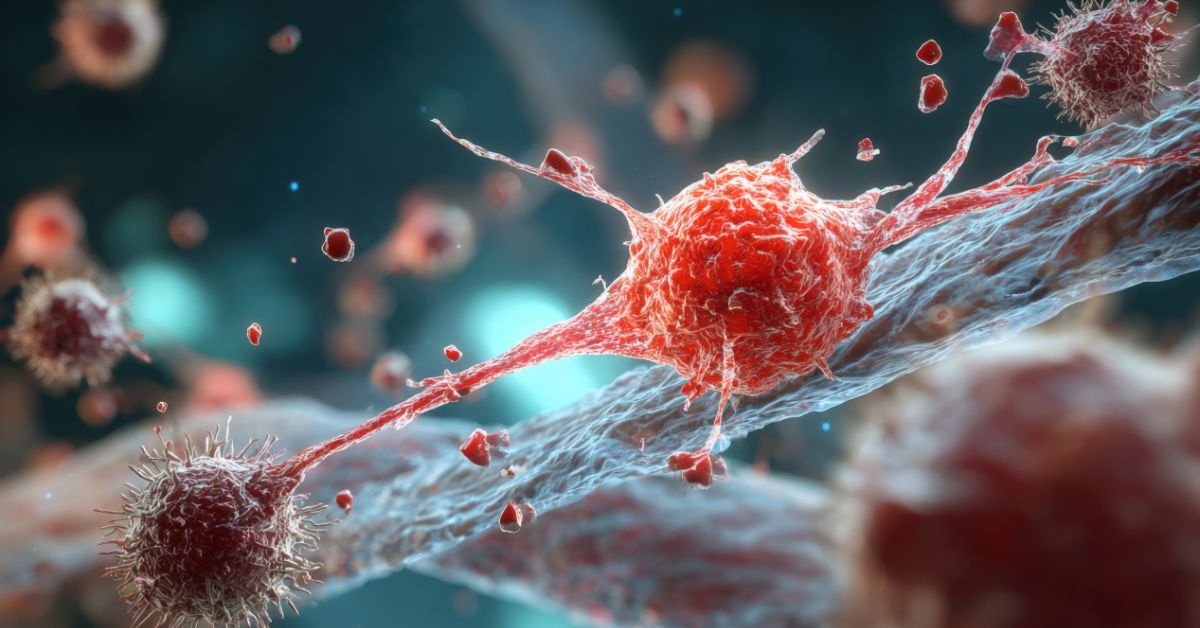
A malignant growth formed due to abnormal cells that proliferate uncontrollably and have the potential to invade healthy tissues is called a cancer tumor.
Sometimes, these cells may infiltrate the lymphatic or circulatory systems and cause new malignant/ cancerous growths in other parts of the body. We refer to this process as metastasis.
For example, cells from breast cancer may move to the lungs or bones; because the new growths started in the breast, they are still classified as metastatic breast cancer rather than bone or lung cancer.
By destroying surrounding structures, absorbing nutrients, causing bleeding, or applying pressure to adjacent tissues, cancerous tumors can disrupt normal organ function. However, the location, size, kind, and stage of the tumor all affect the effects.
Benign vs. Malignant Tumors: Key Differences
|
Characteristic |
Benign Tumors |
Malignant Tumors |
|
Cancer status |
Noncancerous |
Cancerous |
|
Growth pattern |
Usually slow-growing |
May grow slowly or rapidly |
|
Invasion |
Does not affect nearby tissues |
Can invade surrounding tissues |
|
Spread to other organs |
Does not metastasize |
May metastasize |
|
Borders |
Often well-defined |
May have irregular or infiltrative borders |
|
Recurrence |
May recur if incompletely removed |
Can recur after cancer treatment |
|
Treatment |
May require proper monitoring or removal |
Often requires cancer-directed treatment |
These traits characterize a broad pattern rather than strict guidelines. Because of their location, certain benign tumors can grow rapidly or create major issues; a benign brain tumor may press against important tissues and need to be treated.
Similarly, some cancerous tumors grow slowly. Therefore, it is impossible to determine if a tumor is malignant based simply on its growth rate or appearance. To diagnose the type of a suspicious growth, a medical expert might suggest imaging, a biopsy, or other testing.
Common Malignant and Benign Tumors Symptoms
The affected body part, the size of the tumor, and whether it presses against nearby tissues affect the symptoms of a tumor. While some tumors are found u during routine exams or imaging tests, others create obvious symptoms.
Potential Benign Tumor Symptoms
Benign tumors could result in:
- A mass under the skin that becomes bigger over time
- Soreness or swelling in one area
- Pressure on surrounding blood arteries, nerves, or organs
- Changes in organ function based on location.
Many times, there are no symptoms at all.
Possible Symptoms of Malignant Tumors
- A fresh or growing bump
- A weight loss that is not explained
- Persistent weakness or exhaustion
- Unusual bruising or bleeding
- Prolonged hoarseness or a cough that doesn't go away
- Changes in bladder or bowel habits
- Prolonged gastrointestinal distress or difficulty swallowing
- An unhealing wound
- Chronic or inexplicable pain
Similar issues might arise from a number of prevalent medical diseases; therefore, a clinical diagnosis is vital. However, a healthcare provider should be consulted if symptoms continue, get worse, or appear for no apparent reason.
How Do Tumors Get Diagnosed?
For suitable treatment, accurate tumor diagnosis is crucial. Medical history, physical examination, imaging, and any necessary laboratory or tissue testing are usually combined by doctors.
Medical history and physical examination
When the lump originally emerged, whether its size has changed, and whether there are any other symptoms are some questions a doctor might ask. Tumor size, texture, mobility, pain, and position may be evaluated during the examination.
Even though these results aid in directing more testing, they are insufficient to independently confirm or rule out malignancy.
Imaging Tests
Imaging tests help diagnose, measure, and evaluate a growth's link to surrounding structures, and common tests are:
Ultrasound: Examines soft tissues and separates solid masses from a variety of fluid-filled structures using sound waves.
CT scan: Generates intricate cross-sectional pictures of interior tissues and organs.
MRI: Produces detailed images, especially of soft tissues, the brain, and the spinal cord, using magnetic fields and radio waves.
Mammography: Assists in identifying questionable alterations in breast tissue.
In order to determine cancer spread, doctors may also suggest other tests, depending on the circumstances.
Biopsy
The most reliable way to detect whether a suspicious solid tumor is benign or malignant is mostly through a biopsy. A medical practitioner takes a tiny sample of tissue during this process so a pathologist can examine it.
Depending on the location and features of the tumor, the sample may be obtained surgically or with a needle (needle biopsy). A pathological examination can reveal abnormal cells, identify the type of tumor, and provide information that helps treatment.
Additional molecular or genetic testing is also necessary for certain malignancies in order to pinpoint particular features.
Further Examinations
Blood tests may be used to evaluate specific disorders, organ function, or general health. In a few situations, certain tumor markers can help with diagnosis or therapy monitoring, though they are unable to independently confirm or rule out the majority of malignancies.
Before suggesting the next treatment, doctors evaluate all of the findings collectively.
How Do Malignant and Benign Tumors Get Treated?
Benign Tumor Treatment. Certain benign tumors can be tracked with routine exams or imaging and don't need to be treated immediately.
If a tumor grows, hurts, compresses an organ, interferes with normal function, or raises diagnostic questions, removal might be advised. Treatments in this case may include medication, surgery, or other focused techniques.
Treatment for Malignant Tumors
Cancer treatment is individualized and may include one or more strategies:
- When necessary, surgery is used to remove a malignant tumor carefully.
- High-energy radiation is used in radiation therapy to either kill or stop the growth of cancer cells.
- Chemotherapy uses medications to either kill or inhibit the growth of cancer cells.
- Immunotherapy assists the immune system in identifying and combating cancerous cells.
- Targeted therapy targets specific chemicals or processes that contribute to the development of cancer.
- Hormone therapy inhibits or lowers hormones that promote the growth of some malignancies.
Final Words
When a malignant tumor needs the fastest treatment, a benign tumor is nothing to overlook. Benign tumors can cause complications, too. Wise to visit a doctor if you notice symptoms.
Both physical appearance and symptoms can provide our doctors with helpful hints, but neither can accurately identify the type of tumor. A physical examination, imaging studies, a biopsy, and other investigations may be necessary for an accurate diagnosis.
Consult the top medical experts, such as Dr. Saptarshi Ghosh, who have been providing compassionate and highly personalized cancer care for years.
FAQs
1. Are all tumors malignant?
Tumors can be either benign or malignant, and malignant tumors are cancerous, but benign tumors are not.
2. Is it possible for a benign tumor to turn malignant?
While most benign tumors do not progress into malignant tumors, several forms of benign or precancerous growths can.
3. Can medical professionals use imaging alone to detect a cancerous tumor?
Imaging can help identify a tumor's location and size as well as highlight suspicious signs, but to confirm the diagnosis, a biopsy is frequently required.
4. Do malignant tumors always cause pain?
No, especially in their early stages, malignant tumors can be painless, like a breast lump. When a tumor harms nearby tissues, presses against nerves, or affects an organ, pain may result.
5. What is the difference between a tumor and cancer?
Cancer is the term for diseases containing abnormal cells that can penetrate tissues and perhaps spread, whereas a tumor is an abnormal mass of tissue, and benign tumors are not cancer.