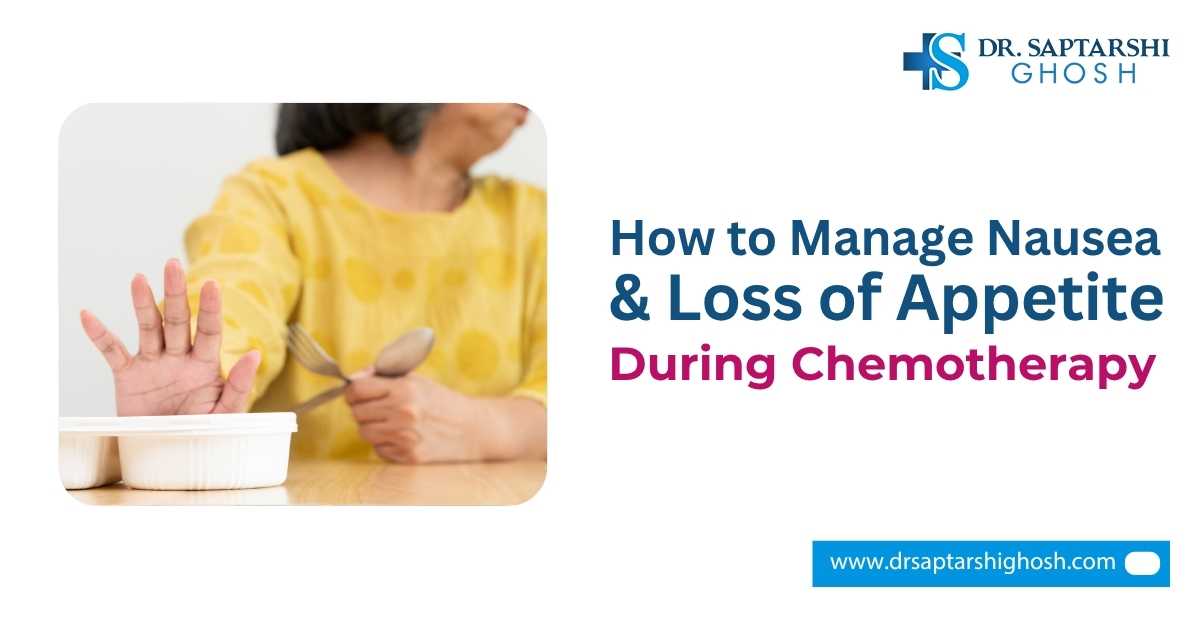



Eating can become difficult during chemotherapy. Some days, you may feel hungry but have no interest in food, while on other days, even a few bites may make you feel uncomfortable.
Nausea during chemo can make it harder to eat and may reduce your appetite. Changes in taste or smell, mouth problems, tiredness, and other treatment-related side effects can also put you off food.
Don’t force yourself to eat a full meal. When your appetite is low, try having small meals throughout the day.
Try to get enough fluids, protein and calories in whatever foods you can tolerate. Taking steps to control nausea early may also make eating and drinking easier.
If nausea, vomiting, loss of appetite or unplanned weight loss continues, let your oncology team know. They can check what is causing the problem and help you manage it.
Why Does Chemotherapy Cause Nausea and Loss of Appetite?
Chemotherapy medicines can affect healthy cells as well as cancer cells. This may lead to side effects that interfere with eating and drinking.
You may have:
- Nausea or vomiting
- A reduced appetite
- Changes in taste or smell
- Dry mouth or mouth sores
- Feeling full after eating only a small amount
- Constipation or diarrhoea
- Tiredness or weakness
Pain, anxiety and emotional stress can also affect your desire to eat. When several of these problems happen together, getting enough food can become difficult.
What Can Help With Nausea During Chemotherapy?
Eat Small Meals More Often
When you feel nauseous, smaller meals may be easier to eat. Try smaller portions throughout the day instead:
- Have 5–6 small meals or snacks.
- Eat something every 2–3 hours if you can tolerate it.
- Do not wait until you feel very hungry.
- Keep simple, ready-to-eat foods nearby.
- Eat slowly and stop when you feel uncomfortable.
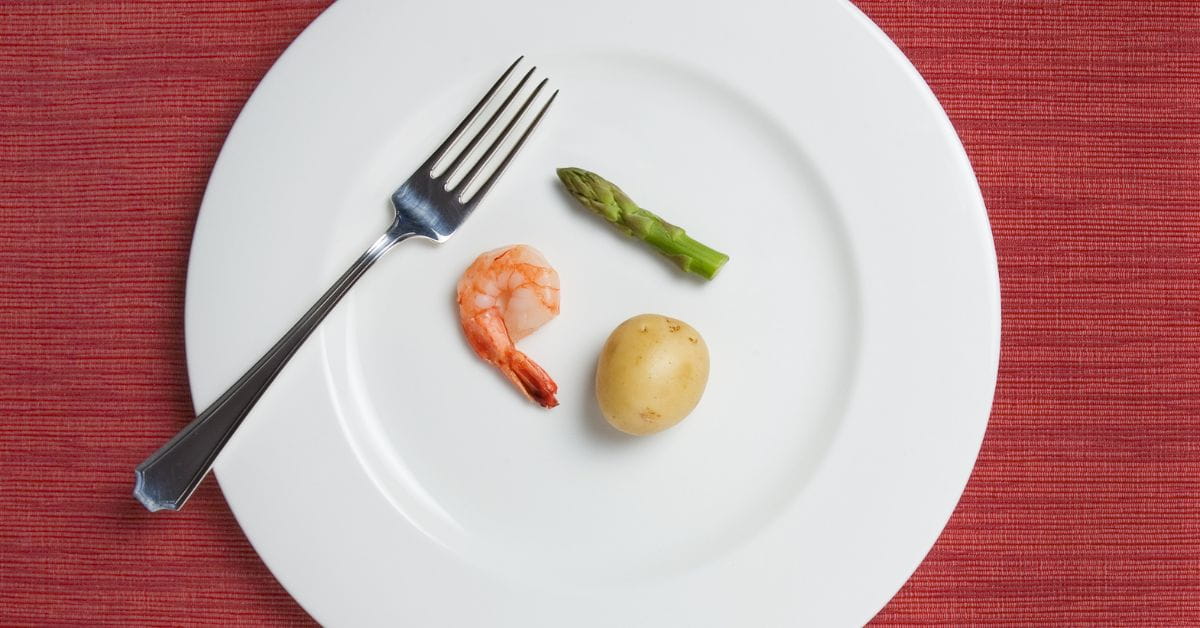
You don’t have to eat a full plate. Eating small portions can be easier and still give your body the nutrients it needs.
Choose Foods That Are Easy to Tolerate
When your stomach feels unsettled, simple foods may be easier to eat. You can try:
- Toast or crackers
- Plain rice or pasta
- Potatoes
- Yogurt or pudding
- Soup
- Bananas or other fruits you tolerate
- Other mild foods that feel comfortable
Bland, starchy foods may be easier to tolerate when you feel nauseous. Cold or room-temperature foods can also be worth trying if hot food makes you feel worse.
Pay Attention to Food Smells
Strong food smells can trigger nausea for some people. You can reduce exposure by:
- Choosing cold or room-temperature foods.
- Asking someone else to cook when possible.
- Keeping the kitchen well ventilated.
- Staying away from smells that make you feel sick.
- Keeping foods you enjoy and tolerate easily within reach.
If a particular food makes you nauseous, skip it for now. You can try it again when you feel better.
What to Eat When You Have a Low Appetite?
When your appetite is low, choose small portions that give you more nutrition.
Good protein options include:
- Eggs, yogurt and milk
- Paneer and tofu
- Dal, beans and lentils
- Fish or chicken
You can also add calories without making meals much bigger:
- Milk or yogurt in smoothies
- Cheese or paneer in meals
- Nut or seed butter, if tolerated
If solid foods are hard to eat, try smoothies, soups, or nutrition drinks. If you are losing weight or not eating enough, talk to your doctor or dietitian.
How Can You Stay Hydrated During Chemotherapy?
Vomiting can cause your body to lose fluids, making it important to drink regularly during chemotherapy. If drinking a lot at once feels difficult, smaller amounts may be easier.
You can try:
- Keep water or another suitable drink nearby.
- Take small sips throughout the day.
- Try clear broth, diluted juice or tea if water is difficult to drink.
- Use electrolyte drinks only if recommended by your healthcare team.
- If drinks make you feel full, have more fluids between meals.
- Take small sips with meals when needed.
If vomiting or diarrhoea continues, ask your healthcare team which fluids are best for you and how much you should drink.
What Foods Should You Avoid When You Feel Nauseous?
There is no fixed list of foods that everyone needs to avoid during chemotherapy. What feels fine for one person may make another person feel sick.
Some foods may not feel good to eat, such as:
- Very greasy or fried foods
- Very spicy foods
- Strong-smelling foods
- Very large meals
- Foods that have triggered nausea before
How to Avoid Your Favourite Foods
If a favourite food makes you feel nauseous, take a break from it for a while.
- Avoid it when you are already feeling sick.
- Try it again when your nausea has settled.
- Ask someone else to prepare it if the smell bothers you.
- Do not force yourself to eat it if it makes you feel worse.
What Medicines Can Help With Chemotherapy-Related Nausea?
Doctors may prescribe anti-nausea medicines, also called antiemetics, to prevent or control nausea and vomiting during chemotherapy. The timing depends on your treatment and your risk of developing these side effects.
Antiemetic Medicines
Your doctor may advise taking these medicines:
- Before chemotherapy
- During treatment
- After chemotherapy
- At home for a few days, if needed
Taking them as prescribed can help control nausea before it becomes difficult to manage.
What If Your Current Medicine Is Not Working?
Tell your oncology team if you still feel sick after taking your medicine. Let them know:
- When the nausea starts
- How often you vomit
- Whether you can keep food and fluids down
- Whether your symptoms are affecting your daily routine
Your doctor may change the dose, timing or type of anti-nausea medicine.
Warning Signs You Should Not Ignore
Nausea and poor appetite can happen during chemotherapy, but some symptoms need prompt medical attention. Contact your oncology team if:
- You cannot keep fluids down.
- Vomiting continues or becomes frequent.
- You are unable to eat for a prolonged period.
- You are losing weight without trying.
- You feel unusually weak, dizzy, or lightheaded.
- You are passing very little urine or feel unusually thirsty.
- Prescribed anti-nausea medicine is not helping.
- You develop other symptoms that concern you during treatment.
For fever or other urgent symptoms, follow the emergency instructions given by your cancer-care team. Do not wait for your next appointment if you have been told to seek immediate medical care.
When Should You Seek Professional Guidance?
If nausea or poor appetite is making it difficult to eat and drink, do not manage it on your own for too long. Your oncology team can help find ways to control the symptoms and protect your nutrition.
Speak with your healthcare team if:
- Nausea continues despite prescribed medicine.
- You are vomiting often or cannot keep fluids down.
- You are eating very little for several days.
- You are losing weight without trying.
- You feel weak, dizzy, or unusually tired.
- You are unsure whether you are getting enough protein, calories or fluids.
A doctor or dietitian can suggest suitable food choices, changes to your meal routine or nutrition support based on your treatment and symptoms.
At the end
Eating well during chemotherapy can be difficult, especially when nausea affects your appetite. Small meals, easy-to-tolerate foods, enough fluids and prescribed anti-nausea medicines can make it easier to manage your daily nutrition.
If Nausea during chemo continues, affects your food or fluid intake, or causes weight loss, speak with your oncology team rather than trying to manage it alone.
Dr. Saptarshi Ghosh can provide appropriate medical guidance based on your symptoms and treatment needs.
FAQs
What Is the Best Way to Manage Nausea During Chemotherapy?
Take your prescribed anti-nausea medicine as directed. Small meals, simple foods, regular fluids, and avoiding strong food smells may also help.
What Can Help When Nausea Starts Suddenly?
Take small sips of fluid, sit upright, and move away from strong smells. If you have been prescribed medicine for nausea, follow your doctor’s instructions.
Can Ginger Help With Chemotherapy Nausea?
Ginger may help some people, but it is not right for everyone. Check with your oncology team before using ginger supplements or other herbal products during treatment.
What If I Am Losing Weight?
Tell your oncology team about unplanned weight loss. They may recommend changes to your meals or refer you to a dietitian for extra nutrition support.
How Long Can Nausea Last After Chemotherapy?
It depends on the chemotherapy and your individual response. Nausea may start during treatment or in the days afterward. If it continues or becomes difficult to control, contact your oncology team.