




Some risk factors we can’t help, and a family history of breast cancer is one of them. A family history of breast cancer can put you at risk for the same, but not necessarily. You could understandably worry about your own health if your mother, sister, grandmother, or other close relatives have been diagnosed with breast cancer.
A family history is linked to 5–10% of breast cancer cases. So, even if it’s a major risk factor, it is not the only one. Effective breast cancer treatment in Siliguri or elsewhere focuses on an all-inclusive approach for your optimal recovery. Here, the importance of timely breast cancer diagnoses plays a crucial role.
A family history does not guarantee that you will get the disease. It only indicates that, in comparison to someone without such a background, your risk might be there. You can stay proactive and knowledgeable about your health if you choose healthy lifestyle choices.
What Does a Family History of Breast Cancer Include?
In Simple words, having one or more close relatives with a breast cancer diagnosis is typically referred to as having a family history of the disease.
Among the close relatives are:
- Mother, sister, grandmother, and aunt
Your risk could go up if:
- A mother or sister who was a first-degree relative suffered from breast cancer.
- On the same side of the family, several relatives had/ have ovarian or breast cancer.
- A relative (before 50) received a diagnosis.
- There was a family history of male breast cancer.
- A family history of breast cancer in both breasts.
If there is more than one relative have breast cancer, it means genetics may play a role.
Breast Cancer Risk – Overview
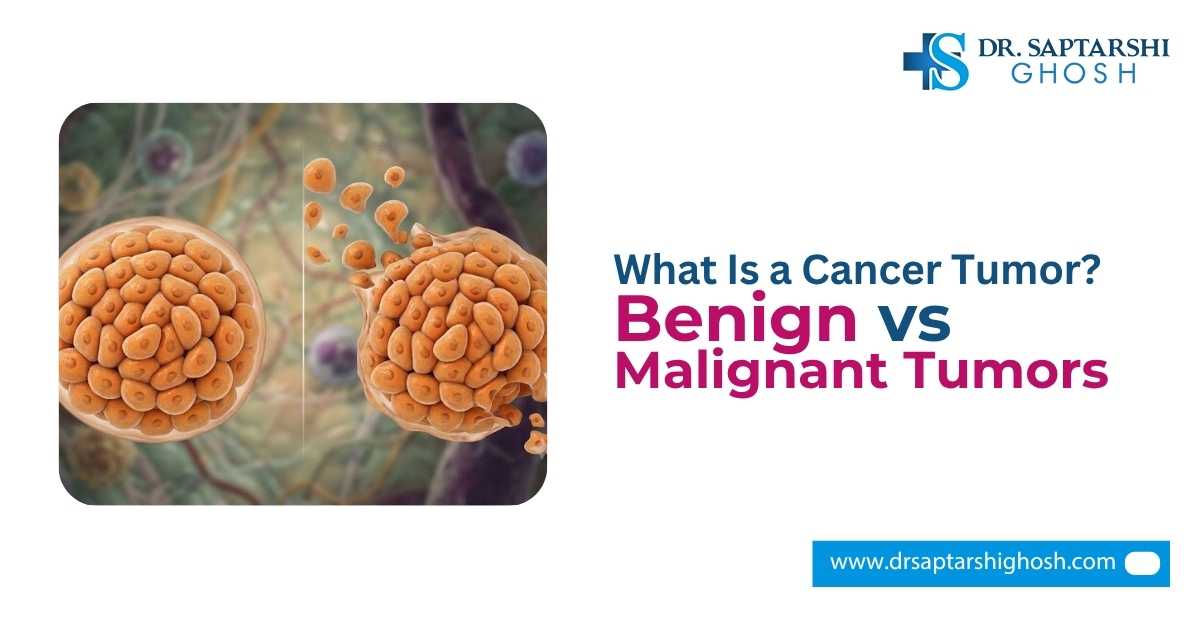
Breast cancer takes place when abnormal cells in the breast proliferate (multiply) uncontrollably and develop into a tumor (cancerous). The risk of breast cancer can be influenced by many factors, such as your age, genetics, lifestyle, and exposure to hormones.
Family history acts as a significant risk factor among these. In order to establish whether you may have a higher hereditary predisposition to some diseases, such as breast cancer, your doctor may inquire about your family's medical history.
NOTE: It is crucial to keep in mind that most cases of breast cancer are not inherited.
The fact is that inherited genetic changes or mutations are directly responsible for just 5–10% of all breast cancer cases. However, the chance of a hereditary risk increases when several relatives have experienced the illness.
.png)
The Role of Genetics in Breast Cancer
In some families, genetics can have a major impact on the risk of breast cancer. The risk of contracting the disease rises with specific gene changes that are passed down through the generations.
Now, BRCA1 and BRCA2 are 2 of the most well-known genes linked to inherited breast cancer. These genes help in the repair of damaged DNA and stop the spread of cancer when they function normally.
Mutations in these genes, however, lessen their protective impact and raise the risk of cancers, such as ovarian and breast cancer. Compared to the general population, women with BRCA mutations may have a markedly high lifetime risk of breast cancer.
While family history is a risk factor, hormonal concerns, shared lifestyle choices, and exposure to the environment can raise risk in families.
Signs of an Inherited Risk for Breast Cancer – Let’s Explain
Hereditary breast cancer risk may be indicated by specific patterns in a family's medical history, which include:
- Multiple Cases in the Family. There may be a hereditary connection if multiple family members, particularly across generations, have experienced breast cancer.
- Breast Cancer with Early Onset. If breast cancer is discovered before the age of fifty, there may be a genetic role.
- Ovarian Cancer in the Family. Certain genetic changes may be present in families with both ovarian and breast cancer diagnoses.
- Breast Cancer in Men. Men's breast cancer is uncommon; however, it can occasionally indicate inherited genetic abnormalities.
- Breast Cancer on Both Breasts. A single person's development of cancer in both breasts may also be a sign of genetic risk.
Doctors may suggest genetic testing or counseling if any of these tendencies are present.
Genetic Testing and Counseling – Why Vital?
Well, your doctor could recommend genetic counseling if breast cancer runs in your family. Simply, a genetic counselor assesses the suitability of genetic testing by looking at your family history.
In genetic testing, your DNA is examined to look for mutations linked to an increased risk of cancer, and among the advantages of genetic testing are:
- Recognizing your individual cancer risk
- Recognizing the risk to other family members
- Developing strategies for preventive screening
- If required, taking preventive measures into consideration
Nevertheless, not everyone with a family history needs to undergo genetic testing. And, before advising, medical specialists assess each unique instance.
Screening Suggestions for People at Higher Risk
Early detection is even more crucial if breast cancer runs in your family, and your doctors may advise more regular and early screenings, like:
1. Mammograms
Higher-risk women may start getting mammograms before the typical screening age.
2. MRI of the breast
For high-risk patients, a gynecologist may advise MRI scans in addition to mammograms because they can produce more detailed images.
3. Clinical Breast Exams
A healthcare professional's routine tests will help diagnose anomalies.
4. Breast Self-Awareness
You can identify abnormal changes early if you know how your breasts typically feel and look.
Regular screening is very important since early detection can greatly enhance breast cancer treatment success. Timely breast cancer treatment in Siliguri under an expert team ensures optimal healing and management.
Here are Lifestyle Changes That May Lower Your Risk
Certain lifestyle decisions may help you lower the risk of breast cancer, even though genetics cannot be altered.
- Keep Your Weight in Check
Being overweight can raise the risk of many diseases, such as breast cancer (particularly after menopause).
- Regular Exercise
Hormone balance and general health are supported by physical activity, so consider a comfortable or moderate workout at least for 3-4 days a week.
- Limit Your Alcohol Intake
Drinking alcohol has been associated with a higher risk of breast cancer, and completely avoiding alcohol will be one of the best steps.
- Eat a Balanced Diet
A diet high in fruits, vegetables, and whole grains will support your long-term wellness.
- Avoid Smoking
Numerous cancer cases, including breast cancer, are linked to smoking; therefore, avoiding smoking is essential.
These actions can improve your health and possibly lower your chance of getting cancer, even if they cannot totally remove breast cancer risk.
What Else You Should Know
It may be emotionally tough to know that breast cancer runs in your family. Here, worry, anxiety, and uncertainty are natural to experience. But awareness will empower you and your loved ones.
Being aware of your risk lets you take proactive steps for early detection and breast cancer prevention. You can manage the emotional aspects of genetic cancer risk through support groups, counseling, and conversations with medical specialists.
Learning about family medical histories is important. Unfortunately, many people don't know the diagnoses of their families. When talking about the medical history of your family, attempt to find out things like:
- The type of breast cancer diagnosed
- Diagnosis age
- Whether one or both breasts had cancer
- Ovarian cancer or other related cancers
A doctor can more properly assess risk due to this knowledge.
Final Words
You should know that having a family history of breast cancer does not ensure that you will get the disease. But it does highlight the importance of preventive care and awareness. For accurate diagnoses and breast cancer treatment, consult one of the highly trusted oncologists in Siliguri, Dr. Saptarshi Ghosh.

