
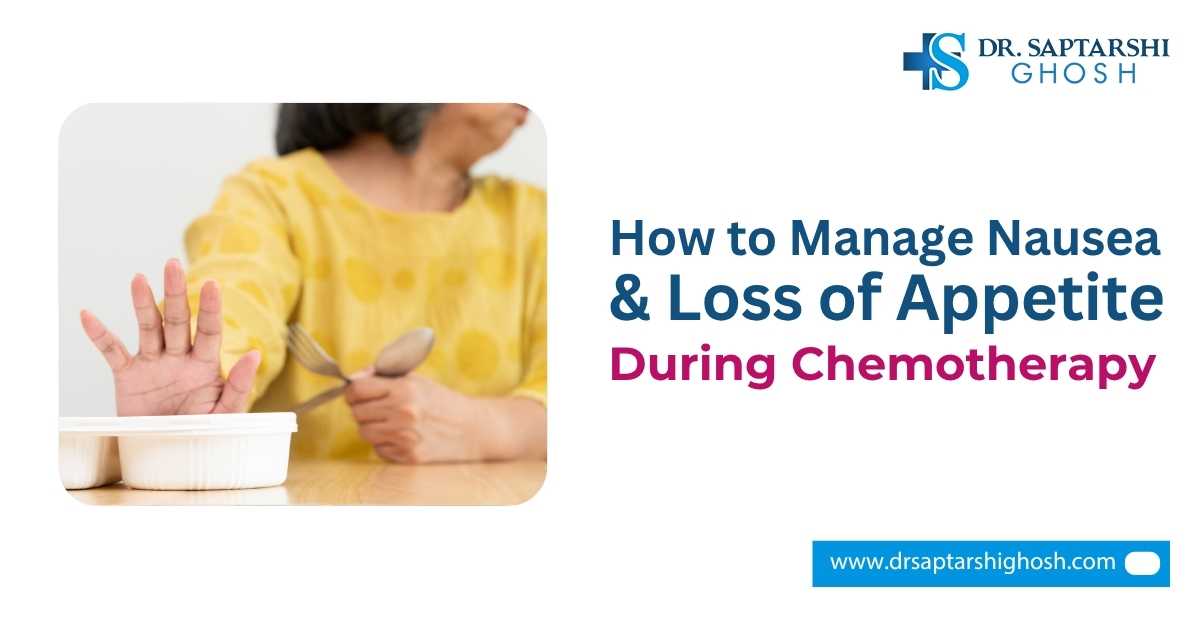




No doubt, when someone is diagnosed with cancer, it feels devastating from the inside. From emotional reactions, including fear, uncertainty, and most frequently, tension, to bodily worries, these emotions are quite normal.
Our mind attempts to fill in the blanks when your future seems uncertain. No matter how advanced cancer treatment has become, fear related to cancer is still there. Timely diagnosis, lifestyle modifications, and treatment are three key ways to recover and have long-term health.
Here, choosing a trusted cancer hospital in Siliguri or near you is essential, so that you receive reliable and effective treatment. It is possible to get through this difficult period with more resilience and a sense of peace if you have the appropriate coping mechanisms, support networks, and mindset.
Let’s Understand Anxiety Following a Cancer Diagnosis
It’s essential to understand why anxiety gets high following a cancer diagnosis.
A cancer diagnosis often causes:
- Fear of not knowing what’s next
- Treatment-related worries and adverse consequences
- Concerns about the future, family, and money
- Losing control over one's life
Since our brain is designed to keep us safe, it initiates a stress reaction when it perceives uncertainty. Though this reaction might be beneficial in brief spurts, ongoing anxiety can become debilitating.
The first step to handling your worry is realizing that it's a normal reaction everyone has.
Permit Yourself to Feel Without Criticism
Allowing yourself to feel whatever comes up always matters, as it is one of the most effective things you can do for yourself.
You may experience:
- Fearful for a moment
- The next hopeful, then suddenly overwhelmed
This emotional swing is entirely typical, so try to acknowledge your emotions rather than repressing them. You can tell yourself that I'm afraid right now, and it's okay that I feel unsure.
Your emotions generally become easier to control after you stop resisting them (embrace the power of acceptance).
Now Limit Information Overload
It's simple to get sucked into the never-ending search trap or loop in the digital age. There’s endless information online, but too much of it might make patients and their families feel more anxious.
Try this strategy:
- Stay with reliable medical sources
- Instead of looking things up online, write down questions for your cancer specialist
- Set your time limits for your investigation/research
Keep in mind that not every statistic/ information you read online will apply to your circumstances.
Build a Support System
Anxiety can be considerably low with a solid support network, and this could include:
- Family members
- Close companions
- Groups of support
- Therapists/ counsellors
Yes, open communication about your anxieties might relieve emotional strain. And, it might be quite beneficial to just have someone listen. You might consider attending a cancer support group where others genuinely understand what you're going through if you don't feel comfortable discussing with individuals you know.
Pay Attention to What You Can Control
A person may feel helpless after receiving a cancer diagnosis; however, there are still things they can control, even in unpredictable situations.
Pay attention to:
- Keeping appointments and adhering to treatment regimens
- Keeping up a balanced diet (as recommended by your oncologist)
- Getting enough sleep
- Overseeing your everyday schedule
Feelings of powerlessness can be low when you focus on actions.
Use Relaxation Techniques
Instead of stressing about the future, you should focus on mindfulness, as it helps you stay rooted in the here and now.
Basic methods are:
- Deep breathing techniques
- Practicing meditation
- Gradual relaxation of the muscles
- Using guided imagery
Try this brief task, for instance:
- Take a slow, four-second breath
- Hold for four seconds
- Breathe out for six seconds
You’ll notice that this soothes your nervous system and lessens anxiety right away.
Continue Your Routine
A routine can offer comfort and order when life seems hectic, and a little daily routine can be beneficial, like:
- Arriving simultaneously
- Eating regularly
- Setting aside time for relaxation and exercise
A schedule sets a feeling of normalcy, which may be very reassuring in uncertain times.
Express Yourself Creatively
Words can't always convey how you're feeling, and emotional processing can be aided by creative outlets:
- Keeping a journal
- Painting or sketching
- Music
- Crafting
In particular, we can say writing has a lot of therapeutic benefits. You can:
- Write about your anxieties
- Maintain a thankfulness diary
- Monitor your emotional development
Clarity and the discharge of pent-up emotions are two benefits of this.
Stay Physically Active
By producing endorphins, your body's natural mood enhancers, physical activity can dramatically lower anxiety. Based on your health and the advice of your doctor, think about:
- Walking and gentle yoga
- Stretching techniques
Your mood may evolve, and stress levels become low with even brief, gentle movement.
Seek Expert Assistance When Required
Speaking with a mental health expert is a powerful and proactive move if your anxiety feels overpowering or persistent. Treatments that could be beneficial include:
- CBT, or cognitive behavioral therapy
- Counseling
- Therapy for stress management
To help control extreme anxiety, doctors might suggest medication. Here, seeking assistance shows that you care about your health. You may talk to Dr. Saptarshi Ghosh for expert support on holistic well-being during cancer care and management.
Have Open Communication With Your Medical Staff
Anxiety is fueled by uncertainty, and you can soothe this with clear communication.
Don't be afraid to:
- Inquire about your diagnosis and course of therapy
- If something is unclear, ask for clarification
- Talk about concerns and side effects
To keep track of information, you can even bring a notebook to appointments. You're more likely to be self-assured and less nervous when you have the right knowledge.
Keep from Catastrophic Thinking
Your mind tends to focus on the worst-case possibilities, and catastrophic thinking is the term for this.
For instance:
Rather than Everything is going to go wrong, say I have support and treatment options, but I don't know what will happen. Anxiety can be considerably reduced simply by reframing your thinking.
Seek Expert Assistance for Mental Health
Professional support can be very helpful if your anxiety becomes overpowering or persistent.
There are:
- Counselors or therapists
- Psycho-oncologists (specialists in mental health related to cancer)
- Professional-led support groups
Besides providing a safe environment for emotional expression, therapy offers you situation-specific tools. Medication may also be suggested in a few situations to help treat extreme anxiety.
Foster Hope
Hope is giving room for potential rather than rejecting reality, and hope may appear as:
- Having faith in your medical staff
- Having faith in your ability to bounce back
- Discovering purpose in little things
However, be sure you don't put too much pressure on yourself to stay positive all the time. Genuine emotions are essential.
To Support Your Mind, Take Care of Your Body
Encourage both your mental and physical health by:
- Consuming balanced meals
- Maintaining Hydration
- Getting adequate rest
- Following your treatment regimen
Your mind is better able to manage stress when your body is taken care of.
Set Boundaries & Protect Your Energy
It's acceptable that not every discussion or setting will feel encouraging.
You are able to:
- Spend less time with stressful people
- Refuse to take on excessive responsibilities
- Decide how and when to disclose your condition
A key component of healing is safeguarding your emotional energy and try your best to protect this.
Know When to Get Help Fast
Even if anxiety is common, some symptoms point to the need for immediate assistance:
- Panic episodes that affect your day-to-day activities
- Chronic sleeplessness
- Feelings of despair or self-harm
- Unable to carry out daily tasks
Get in touch with a medical expert or mental health specialist immediately if you encounter them.
Conclusion
After receiving a cancer diagnosis, managing anxiety becomes a vital aspect of better mental health. Mood changes are natural, but some ways can really help you.
The process of healing needs your patience. With the right support, tools, and mindset, you can certainly find moments of peace. You might visit a highly trusted cancer hospital to see your doctor and get expert advice on anxiety management in this situation.