Understanding Radiation Therapy in Siliguri: Treatment Options and Benefits for Cancer Patients
According to the National Cancer Institute, radiation therapy uses high doses of radiation to kill or control cancer cells and shrink tumors. Depending on the type of cancer and the stage of cancer, it may be used as a primary treatment or combined with surgery, chemotherapy, or other treatments. Before surgery, radiation therapy may be used to shrink a tumor so that it is easy for surgeons to remove it. After surgery, it may be used to kill any remaining cancer cells and reduce the risk of recurrence.
Radiation therapy can be used in palliative care in Siliguri to help manage cancer-related symptoms, including pain. As a salvage treatment, it may be considered to control localized cancer recurrences. For some hematological cancers including selected lymphomas and leukemias, it is directed at specific lymph-node or tumor sites.
Exploring Radiation Treatment Options for Cancer Patients in Siliguri
Radiation Therapy is of two types: External radiation and Internal Radiation.
External radiation
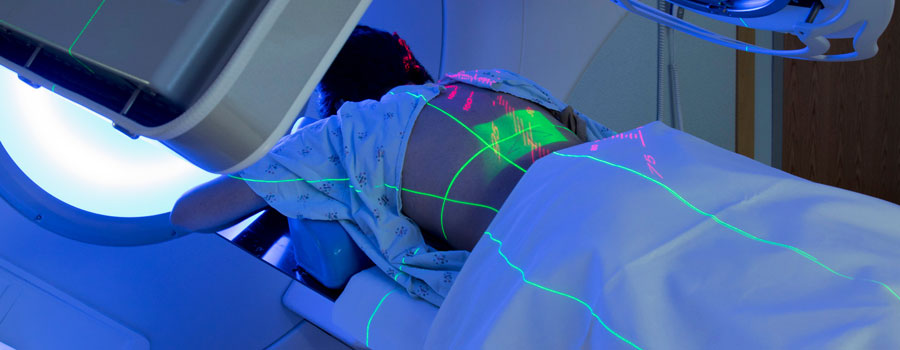
This is delivered through large machines called LINAC ( linear accelerator ) placed outside the body. The radiation machine moves around the body without touching the patient. It can be delivered in several ways.
3-D Conformal Radiation Therapy ( 3D CRT )
it uses computer software and imaging tools like CT scans and MRI to map the tumor's exact shape. Special tools sculpt the radiation beams to fit the exact shape of the tumor. Thereafter, beams hit the tumor from different directions to ensure healthy areas are less affected.
Intensity Modulated Radiation Therapy
it is an advanced external radiation therapy which uses a computer-controlled LINAC to customize beam intensities, target complex tumor shapes and spare healthy tissues surrounding the tumor. In this method, the shape and strength of radiation beams can be modified to match the exact 3D contours of the tumor. A multileaf collimator is used to block radiation from hitting sensitive, healthy organs. It uses cutting-edge computer software to design a custom treatment plan prepared by the doctor.
Stereotactic body radiation therapy (SBRT)
Stereotactic body radiation therapy (SBRT) is a highly precise external beam radiation that delivers very high doses of radiation to a tumor in small sessions. Sophisticated software and imaging allow the radiation to target the tumor while reducing the exposure to healthy tissues. It works by accurately locating the tumor using imaging tools such as CT scans and MRI. A personalized treatment plan is curated to shape the radiation beams around the tumor. In each session, image guidance is used to confirm the tumor’s position, accounting for bodily movements such as breathing. High-dose radiation damages the DNA of cancer cells, preventing them from proliferating.
Internal Radiation ( Brachytherapy )
In this radiation treatment, a radioactive source is placed inside or very close to the tumor. The doctor places radioactive material called seeds or pellets near or into the tumor. It delivers a high dose of radiation to the tumor since the source is very close, while leaving nearby tissues healthy. There are two types of brachytherapy.
Low Dose Rate
the radioactive source remains near the tumor for days, weeks, or permanently. It releases a low dose of radiation to the tumor. This is usually done for prostate cancer.
High Dose Rate
a highly radioactive source is placed temporarily for a few minutes and then removed. This may be repeated over several sessions based on the patient's requirements.
Internal Radiation is used to treat -
Prostate Cancer
Endometrial Cancer
Breast Cancer
Cervical Cancer
Certain Eye, Skin, Head and Neck Cancers
Types of Cancer Treated with Radiation Therapy
Radiation therapy for patients in Siliguri is used to treat different types of cancer. It may be administered alone to completely cure or control the cancer or in combination with surgery ( before and after ), chemotherapy, or as palliative care.
Some cancers that may be treated with radiation include -
Head and Neck Cancers
Salivary gland Cancer - Radiation therapy is used instead of surgery when the tumor cannot be removed or after surgery to reduce the risk of cancer returning.
Nasopharyngeal Cancer - For these cancers, radiation therapy is the first treatment option as they are quite sensitive to radiation. Radiation is usually directed to the primary tumor, the area behind the nose and above the throat.
Chest Cancers
Esophageal Cancer - radiation therapy is combined with chemotherapy to treat the cancer. It is given to a patient with advanced cancer to relieve symptoms like difficulty swallowing, bleeding, or pain.
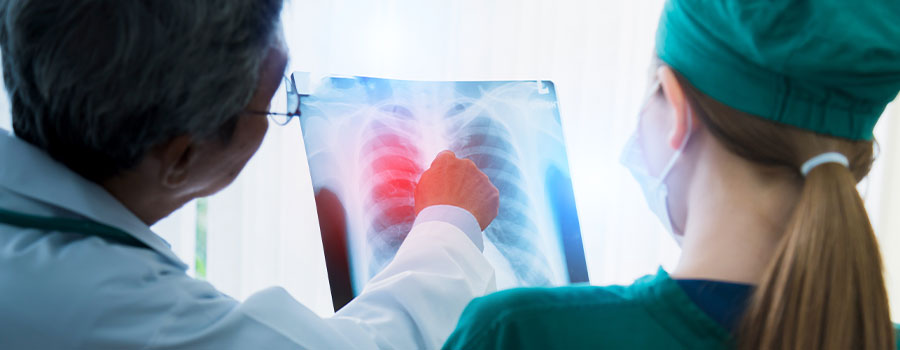
Lung cancer - for early-stage lung cancer, surgery is preferred. After the surgery, radiation is delivered to treat the remaining tumor. However, if surgery is not possible, stereotactic body radiation therapy may be used for a small, localized tumor.
Breast Cancer - radiation therapy is mainly used after surgery to destroy cancer cells and reduce the risk of cancer recurrence in breast, chest wall, or nearby lymph nodes.
Gastrointestinal Cancers
Anal Cancer- In this type of cancer, initially surgery is avoided to preserve the anal sphincter and bowel control. Hence, chemoradiation is opted for curing the cancer, controlling recurrent cancer, or to relieve symptoms like pain or bleeding.
Stomach cancer- Radiation therapy is used in combination with either chemotherapy or surgery to either shrink the cancer when surgery is not possible or to kill remaining cancer cells after surgery is performed.
Gynecologic Cancers
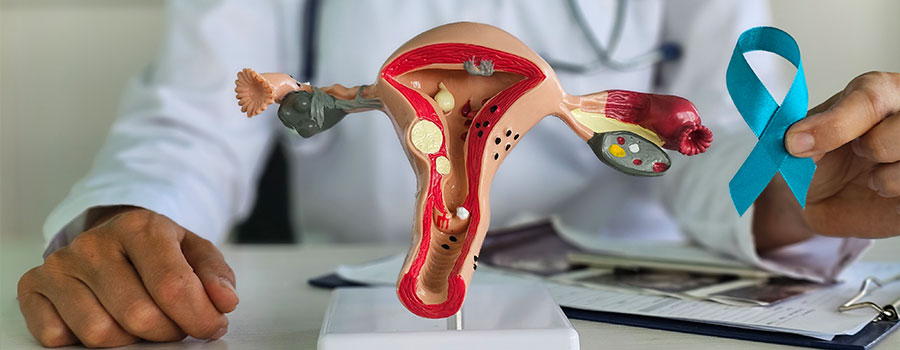
Vaginal Cancer - for Vaginal Cancer, radiation therapy is particularly useful, especially for stage II, III, and IVA cancer. Both external beam and internal radiation can be used to treat these cancers along with chemoradiation.
Cervical cancer - radiation therapy is one of the main treatments in cervical cancers, especially when it is locally advanced.
Vulvar Cancer - for such cancers, radiation therapy may be used before or after surgery or as the main treatment based on the tumor size or location, stage, and whether surgery can safely remove the cancer.
How Radiation Therapy Helps Treat Cancer: Key Potential Benefits
Radiation therapy is the linchpin of cancer treatment. It offers several advantages as it can be combined with other types of treatments. Some of its advantages are -
Potent Cancer Control
Kills cancer cells by damaging their DNA
Eliminates or shrinks the tumor
Prevents cancer cells from recurring.
Preserves Organs
Reduces harm to surrounding healthy tissues and cells like the breast, bladder, prostate, or larynx.
Reduces the need for surgery in selected patients.
Treats cancer without removing the affected organ in many cases.
Non-Invasive Procedure
No anesthesia or surgical incisions are required.
Painless treatment and performed on an outpatient basis.
Enhances Survival and Quality of Life
Increases survival rates for different types of cancer.
Patients maintain better physical function and quality of life throughout treatment.
Meticulous Targeting
Radiation Therapy delivers a high dose of radiation directly to the tumor.
Reduces damage to healthy tissues surrounding the tumor.
Personalized treatment
Each radiation therapy is customized according to the patient’s cancer type, location, stage, and overall health.
Treatment can be modified.
Radiation Therapy Planning in Siliguri. How Doctors Personalize Your Treatment
Radiation therapy is carefully planned as the prescribed dose has to be accurately administered to the tumor with minimal effect on the surrounding tissues.
Preliminary Consultation
The patient sets up an appointment with a Radiation Oncologist.
Patient’s medical history, pathology reports, imaging studies, and treatment goals are reviewed.
The doctor ascertains whether the treatment plan is appropriate and discusses it with the patient.
Simulation
It is a mock drill, done before the actual treatment.
The patient is laid exactly as they will be positioned during the treatment.
Immobilization devices such as masks or cushions are used to help maintain a stationary position.
Imaging for Treatment Planning
A CT scan is performed to create a 3D map of the tumor and the treatment area.
Other imaging like MRI may also be fused with a CT scan to better map the tumor and nearby critical organs.
Charting the Target
The radiation oncologist outlines the tumor and identifies nearby areas at risk.
This protects the healthy tissues while the radiation is focused on the cancer cells.
Planning the treatment
Dosimetrists and medical physicists work with radiation oncologists to map out a personalized treatment plan.
Specialized computer software determines the optimal radiation dose, beam angles, and treatment techniques.
Quality Assurance
The radiation treatment plan is reviewed and approved by the radiation oncologist.
Quality Assurance tests are performed to ensure that the treatment machine will deliver accurate doses safely.
Treatment Delivery
Once the treatment plan is approved, radiation therapy begins.
Treatment is usually painless and lasts about 10-30 minutes.
Monitoring during treatment
Patients’ responses and any side effects are measured. The patient is called for regular review visits.
The treatment plan may be adjusted according to the patient’s anatomy or tumor size.
What to Expect During Radiation Therapy
Radiation therapy is a closely monitored treatment. However, most patients can return home the same day.
Before Treatment Session
After checking in at the radiation therapy department, a radiation therapist guides the patient to the treatment room.
The patient is positioned exactly as during simulation, using immobilization devices if needed.
During Treatment Session
The treatment machines rotate around the body to deliver radiation from different angles.
The patient cannot see, feel, or smell the radiation.
The actual radiation lasts only a few minutes, while the entire session might take 10-30 minutes.
After the Treatment Session
Once the session is over, the normal routine can be started by the patient.
No radiation is left in the patient’s body after external beam irradiation; hence, it is safe to be around family and friends.
Potential Side Effects
Fatigue
Dryness, skin redness or irritation on the affected area
Hair Loss
Temporary changes ( diarrhoea, sore throat, difficulty swallowing, etc. )
Why Choose Dr. Saptarshi Ghosh for Radiation Therapy in Siliguri?
Dr. Saptarshi Ghosh and his team have a long and established track record in providing the best Radiation Therapy in Siliguri. He ensures that the treatment is safe, accurate, and tailored to the patient’s individual needs.
UICC (ICRETT) Fellowship from St. Luc Catholique University Hospital, Brussels, Belgium in Head and Neck Radiation Oncology.
European Certification for Medical Oncology.
Areas of Expertise in Cancer Treatment
He and his team are specially trained to diagnose, plan, and deliver treatment for various types of cancer, including head and neck cancers, breast cancers, GI malignancies, lung cancer, prostate cancer, gynaecological cancer, etc.
Personalized Treatment Planning
He personalizes the treatment plan according to the patient’s cancer type, tumor location, stage, the patient's health, and the treatment goals.
Access to Advanced Technology
Advanced imaging tools are used by Dr. Saptarshi Ghosh to improve treatment accuracy.
Multidisciplinary Cancer Care
Radiation oncologists in Dr. Saptarshi Ghosh’s hospital work closely with surgical oncologists, radiologists, pathologists, and other specialists. This ensures comprehensive cancer care.
Thorough Side Effect Management
Side effects are managed promptly to improve quality of life.
Answer : The number of radiation therapy sessions depends on the cancer type, stage, location, treatment goals, and the radiation technique used. There isn’t one fixed number. Your radiation oncologist calculates the dose and divides it into an appropriate number of sessions.
Answer : Radiation therapy is recommended as a primary treatment to cure early-stage cancer. In a few cases, it can treat the cancer without surgery. However, it is also recommended before and after surgery. Before surgery, it is used to shrink the tumor so that it may be easily removed during surgery. After surgery, it is used to destroy the remaining cancer cells.
Answer : No, radiation therapy is not painful. The patient does not see, feel, or smell the radiation. The experience in most cases is similar to an X-ray.
Answer : Some common side effects are fatigue, skin changes, hair loss in the affected region, nausea, and appetite loss. Some digestive problems may also accompany it, such as bloating, diarrhoea, etc.
Answer : Yes, radiation therapy can cure cancer in many cases, especially when the cancer has been detected early or if the cancer is limited to a specific area of the body.
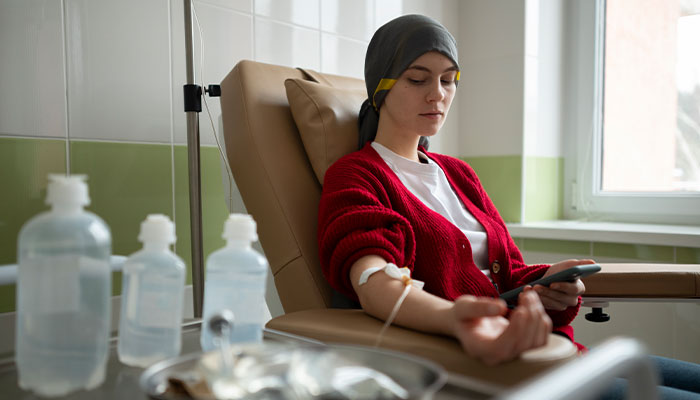
Answer : Yes, radiation therapy in Siliguri can be combined with chemotherapy. This is termed chemoradiation. Chemotherapy uses medicines to target cancer cells. These medicines make cancer cells more sensitive to radiation, making radiation more effective.
Answer : Yes, radiation treatment in Siliguri is safe due to factors like precise targeting of cancer cells, regular safety checks, and the fact that it minimizes damage to nearby healthy tissues.
Answer : Yes, Radiation therapy can reduce cancer pain, especially if the pain is occurring due to the tumor pressing on nearby tissues, bones, or nerves. This treatment is called Palliative Radiation Therapy.
Answer : Yes, most patients can go home after radiation therapy, especially if they have received external-beam radiation therapy. It is an outpatient treatment. Also, external beam radiation therapy does not make the patient radioactive. So, it is safe to be around family and friends, including children and pregnant women, after the therapy.
Answer : The cost may vary from 50,000 to 2,50,000. Highly specialised or advanced therapies may range up to 6 Lakhs. The cost depends on the type and stage of cancer, how many sessions are needed, which technologies are used to deliver the therapy, and the choice of healthcare facility.
Disclaimer - The costs mentioned are indicative and may vary depending on the patient’s clinical condition, treatment plan, number of sessions, and other individual medical requirements. The treating oncologist or healthcare facility can provide the most accurate estimate.