

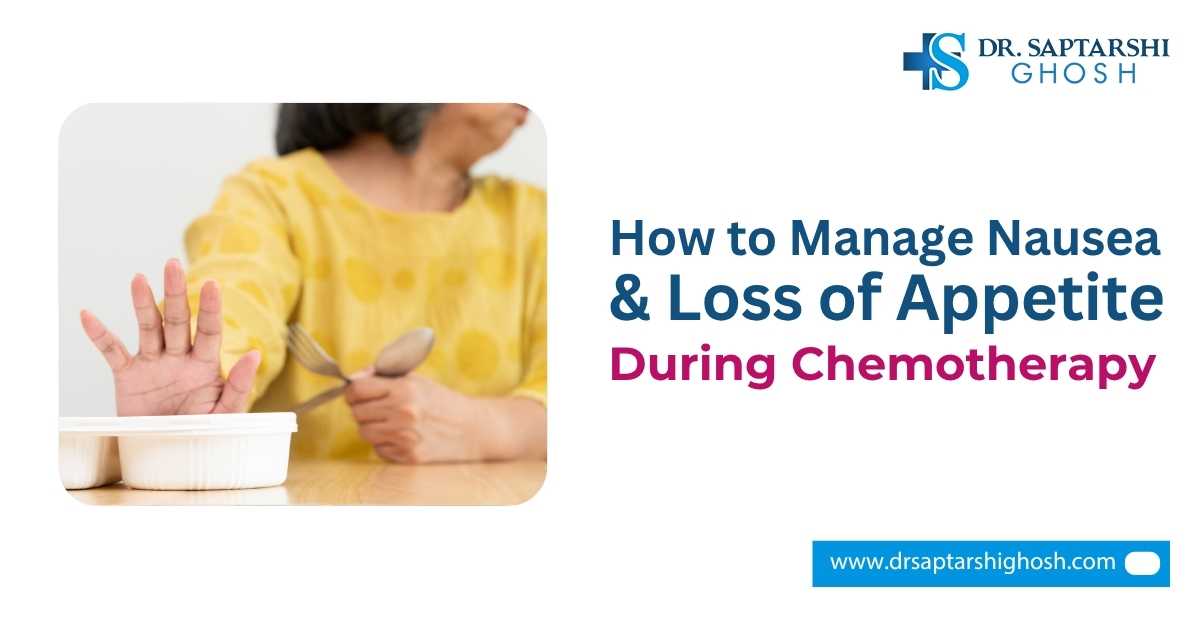



Cancer alters how people live, work, and see the world in a variety of ways. This ranges from physical exhaustion to emotional stress, from difficulties at work to changes in interpersonal relationships.
However, over time, treatment and facilities have come a long way, and personalized medical care makes recovery easier to a good extent. Meet a highly trusted oncologist for optimum cancer treatment in Siliguri or near you who focuses on holistic care.
Knowledge can be an effective tool for compassion, preparation, and resilience, whether you or someone you love is coping with cancer.
Treatments like chemotherapy, radiation, or surgery are more often the first things that come to mind when people think about cancer. Though these are important, the effects of cancer extend much beyond hospital stays.
Cancer impacts:
- Physical stamina and vigour
- Mental and emotional health
- Independence and daily habits
- Career plans and work performance
- Family and social ties
While every person's experience is unique, certain difficulties are shared by all.
The Impact of Cancer on Everyday Life
1. Fatigue and Physical Changes
Persistent or general fatigue is one of the most common symptoms of cancer itself and its treatment. Cancer-related fatigue does not usually get better with rest, in contrast to typical fatigue.
Everyday pursuits can be too much to handle, like:
-
Preparing food
-
Cleaning
-
Driving a vehicle
-
Long-distance walking
Some people must carefully arrange their days in order to save energy for necessary chores.
Other physical effects may include:
-
Pain or discomfort
-
Changes in appetite and nausea
-
Issues with sleep
-
Skin changes or hair loss
-
Reduced immunity
People need to adjust their expectations and way of life as a result of these discomforts.

2. Emotional and Mental Health Challenges
Emotional and physical health are equally impacted by cancer, and many people encounter:
-
Fear of the future
-
Fear of the results of treatment
-
Sadness or depression
-
Variations in mood
-
Concentration issues
There’s no doubt, when someone is continuously coping with uncertainty, even happy experiences can feel burdensome. Counseling, open communication, and mental health support are essential to day-to-day living with cancer.
3. Changes in Routine and Independence
One’s routines might be upset by cancer. Daily plans are frequently subordinated to routine medical appointments, treatments, and recuperation times.
Some people could require assistance with:
-
Chores around the house
-
Individual care
-
Childcare
-
Transportation
It can be emotionally taxing to lose one's freedom, especially for people who were formerly quite active or independent.
4. Effects on Relationships and Social Life
Cancer can change a person's social interactions. Some people withdraw socially as a result of emotional stress or exhaustion, while others may feel alone because friends or coworkers are at a loss for words.
Relationships could change:
-
Family members could take up the role of caregiver
-
Friends may assist or inadvertently distance themselves
-
Social events can be draining
Strong relationships may be sustained with patience and clear communication on both sides.

5. Capacity to Work While Receiving Treatment
A person's ability to work while receiving cancer treatment relies on a number of factors:
-
Cancer kind and stage
-
Treatment type
-
The type of work
-
Demands on the body and mind
While some people can work remotely or part-time, others require long leaves. Full-time work might be challenging due to fatigue, side effects, and frequent appointments.
6. Low Focus and Productivity
Cognitive function may be impacted by cancer and its therapies, and numerous patients report:
-
Problems with memory
-
Having trouble concentrating
-
Reduced processing speed
This may affect jobs that call for focus, judgment, or multitasking, which may cause irritation or self-doubt at work.
7. Emotional Stress in the Workplace
It can be emotionally taxing to work while dealing with cancer, and some worries could be:
-
Fear of not having a job
-
Fear of being perceived as less capable
-
Feeling guilty about missing work
-
Stress from juggling deadlines and health
This load can be considerably lessened in a supportive workplace. Plus, it is quite personal to decide whether to disclose a cancer diagnosis to coworkers or an employer.
Among the advantages of disclosure are:
-
Availability of lodging
-
Managers' comprehension
-
Adaptable timetables
Some, however, are concerned about the impact on their careers or stigma. People can make better selections if they are aware of their rights at work and corporate policies.
8. Financial Stress and Job Security
Unexpected financial difficulties are usually brought on by cancer, including:
-
Medical costs
-
Low earnings
-
Treatment-related travel expenses
-
Complications with insurance
These can also affect one’s decision-making and mental health. The load can be lessened by consulting social workers, financial advisors, or patient support groups. After receiving cancer treatment in Siliguri or near you, you might join a support group online for better emotional healing.
9. Going Back to Work After Cancer Treatment
After receiving cancer treatment, going back to work may be both thrilling and daunting. Here, survivors might yet encounter:
-
Persistent exhaustion
-
Fear of a recurrence
-
Modifications in physical capabilities
-
Changes in the priorities of a career
The transition can go more smoothly with a gradual return, honest communication with employers, and reasonable expectations.
To better fit their health and values, some people also reevaluate their objectives in life and decide on new positions, fewer hours worked, or completely different professional trajectories.
10. Overview of How Employers and Colleagues Can Help
Supportive workplaces have a significant impact, for sure, and coworkers and employers can assist by:
-
Being respectful and empathetic
-
Keeping from making assumptions about skills
-
Providing adaptability
-
Pressure-free check-in
-
Maintaining privacy
Little things like being aware of deadlines or lending a hand can make a significant difference.
Well, even though cancer has a major impact on day-to-day living and employment, many people find resilience, fortitude, and clarity. Even though life may appear different, its worth and significance remain the same.
Yes, people with cancer can continue to live happy, fulfilling lives with the right support, understanding employers, and caring communities. Do feel free to talk to your specialist for your long-term well-being, which includes a holistic recovery. You can seek guidance from our oncologist in Siliguri, Dr. Saptarshi Ghosh, or in your city for optimal health and management.
Comments (0)
